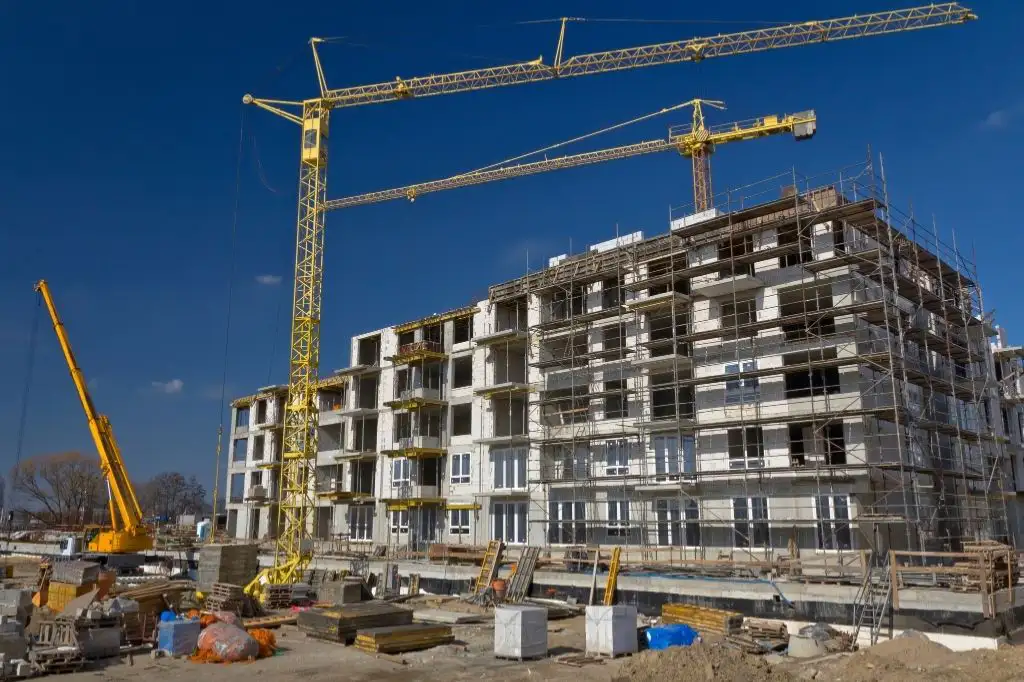
When purchasing a property in the Philippines, buyers often face a crucial decision: Should they invest in a pre-selling property or opt for a ready-for-occupancy (RFO) unit? Each option has its own advantages and potential drawbacks, depending on the buyer’s financial capability, timeline, and risk tolerance. Understanding the key differences, pros, and cons of these two property types will help buyers make an informed decision.
What is a Pre-Selling Property?
A pre-selling property is a unit that is sold before it is completed, sometimes even before construction begins. These properties are typically offered at a lower price compared to RFO units, making them attractive to investors and homebuyers looking for affordability and capital appreciation.
Pros of Buying a Pre-Selling Property
- Lower Pricing – One of the biggest advantages of pre-selling units is the significantly lower price compared to RFO properties. Since buyers are purchasing at an early stage, they often get introductory prices, discounts, and flexible payment terms from developers.
- Capital Appreciation – Pre-selling properties tend to appreciate in value once the development is completed. Buyers who purchase early can benefit from the price increase by the time the property is turned over, making it a smart investment.
- Longer and Flexible Downpayment Period – Since the property is not yet ready for occupancy, developers usually offer a longer downpayment period, often spread over two years. This allows buyers to manage their finances more effectively.
- More Options for Unit Selection – Buyers who invest in pre-selling projects typically have better unit choices, such as selecting the floor level, view, or layout that best suits their needs.
Cons of Buying a Pre-Selling Property
- Developer with No Track Record – Purchasing a pre-selling property from an unproven developer carries significant risk. Without past projects, buyers cannot conduct proper due diligence or review client feedback. This makes making an informed decision much harder. Furthermore, unproven developers increase the risk of substantial delays, disrupting your planned move-in date. Worse, if the project is not delivered at all, buyers may end up losing their hard-earned investment.
- Misrepresentation – Many sales agents, especially unlicensed ones, fail to fully disclose the actual unit finishes and deliverables. Unlike RFO units, you cannot inspect a pre-selling property in person. Instead, developers use brochures, model units, and digital renderings. Unfortunately, these visuals may not exactly reflect the final product. This can lead to disappointment when the completed unit does not match expectations in terms of quality, materials, or layout.
- Longer Wait Before Move-In – Downpayment terms are stretched to a longer period. And while this makes it more affordable, buyers can only move in after full payment and project completion. This can be a disadvantage for those who need a home immediately or are planning to terminate an existing lease.
What is a Ready-for-Occupancy (RFO) Property?
A ready-for-occupancy (RFO) property is a unit that is already built and available for immediate use. Buyers can physically inspect the actual unit and evaluate its condition. Once you complete the necessary payments and paperwork, you can move in right away.
- What You See is What You Get – Unlike pre-selling properties, an RFO unit allows buyers to physically inspect the property, ensuring that it meets their expectations in terms of quality, size, and features.
- Immediate Move-In – For buyers who need a home right away, an RFO property is the ideal choice. Once the downpayment and financing arrangements are settled, the unit can be occupied immediately.
- No Risk of Non-Delivery – Since the property is already built, buyers eliminate the risks associated with project cancellations or substandard deliverables. There is also no worry about delays in construction.
Cons of Buying an RFO Property
- Higher Total Contract Price (TCP) – Compared to pre-selling units, RFO properties typically have a higher selling price because they are already completed. Developers factor in construction costs, market demand, and appreciation into the final pricing.
- Higher and Upfront Downpayment – While pre-selling units offer stretched downpayment terms, RFO units require a higher downpayment, often payable within a shorter period or upfront. This can be a financial challenge for some buyers.
- Limited Unit Selection – Since RFO units are already built, the choices for location, layout, and view may be more limited, as opposed to pre-selling properties where buyers have more flexibility.
Which Option is Right for You?
Choosing between a pre-selling and an RFO property depends on several factors, including budget, timeline, investment goals, and risk tolerance. Below are key considerations:
- For Buyers Looking for an Investment: A pre-selling property is often the better option due to its lower price and potential for capital appreciation.
- For Those Who Need a Home Immediately: An RFO property is ideal since it allows for immediate move-in and eliminates uncertainties regarding completion.
- For Buyers Seeking Flexible Payment Terms: Pre-selling properties provide more manageable payment schemes, allowing buyers to spread out their downpayment over an extended period while also availing of end-user financing options.
- For Risk-Averse Buyers: RFO properties provide security and assurance, as buyers can inspect the actual unit before making a purchase.
Both pre-selling and ready-for-occupancy (RFO) properties have their own advantages and drawbacks. The right choice depends on a buyer’s financial capacity, lifestyle needs, and investment goals. Regardless of your choice, it is always advisable to work with a licensed real estate broker. A professional broker ensures a smooth and secure transaction. They provide valuable insights on developer track records, market trends, and financing options. This expertise helps you make an informed decision that aligns with your financial goals.
Before making a commitment, buyers should carefully assess their priorities and conduct due diligence. Purchasing a property requires thoughtful planning. Whether you invest in pre-selling or choose an RFO unit, a professional real estate broker will guide you safely through the process.