When dealing with a real estate broker in the Philippines, you may come across the terms “PRC and DHSUD license.” While commonly used together, a PRC license and DHSUD registration are separate credentials that serve different purposes. Although they are related, they are not the same thing. They serve different purposes and are issued by different government agencies. Understanding the...
Real Estate Guides
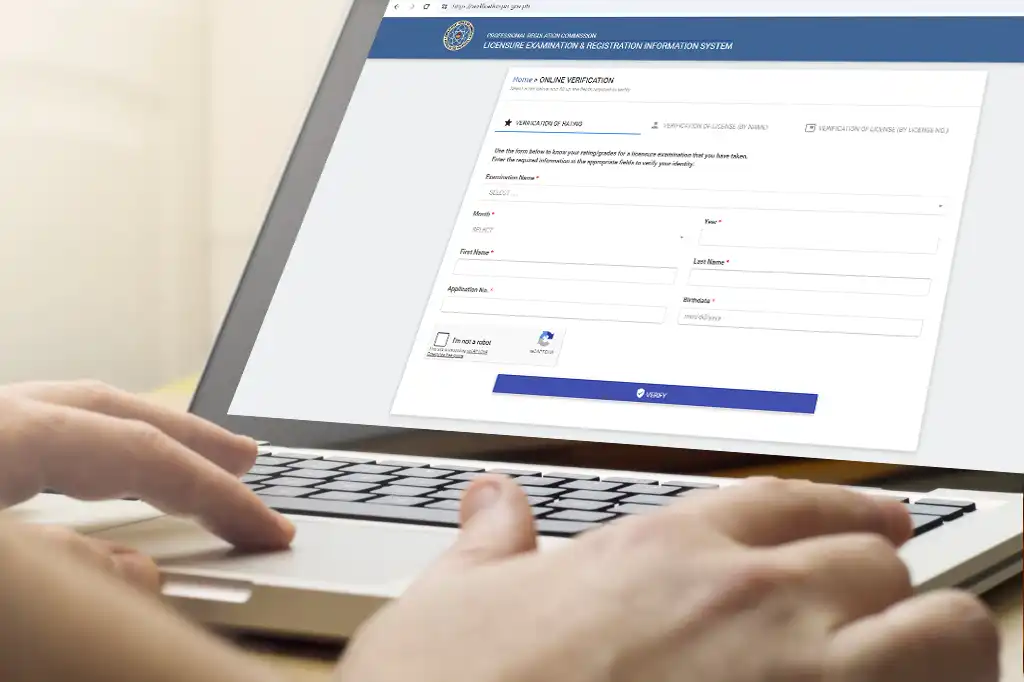
Knowing how to verify a real estate broker in the Philippines is an important step before buying a property. Start by checking who you are dealing with and whether they are authorized to market the property. A valid professional license is important, but it is not the only thing to check. For project selling, you may also need to consider the broker's or salesperson's DHSUD registration and their...
For students, parents, and property investors, living in Taft Manila offers something that goes beyond being close to a university. Taft Avenue sits within one of Manila’s most established academic clusters, with major schools, transport links, restaurants, retail establishments, and residential developments concentrated around the area. For parents, that proximity can make everyday student life more...
When purchasing a property in the Philippines, buyers often face a crucial decision: Should they invest in a pre-selling property or opt for a ready-for-occupancy (RFO) unit? Each option has its own advantages and potential drawbacks, depending on the buyer’s financial capability, timeline, and risk tolerance. Understanding the key differences, pros, and cons of these two property types will help buyers...
Many Filipinos looking to invest in a condominium often come across the belief that a condominium’s lifespan is only 50 years. This common misconception regarding condo lifespan philippines has led to concerns about whether buying a condo is a wise investment. Some assume that once a condominium reaches the 50-year mark, it is automatically deemed unlivable or demolished. However, this is not entirely...