Knowing how to verify a real estate broker in the Philippines is an important step before buying a property. Start by checking who you are dealing with and whether they are authorized to market the property. A valid professional license is important, but it is not the only thing to check.
For project selling, you may also need to consider the broker’s or salesperson’s DHSUD registration and their accreditation or authority to market the specific project. For resale and general brokerage, ask how the property owner has authorized the broker to market the property.
Check the broker’s PRC credentials
Start by asking for the broker’s PRC Professional Identification Card (PIC) and checking whether it is current.
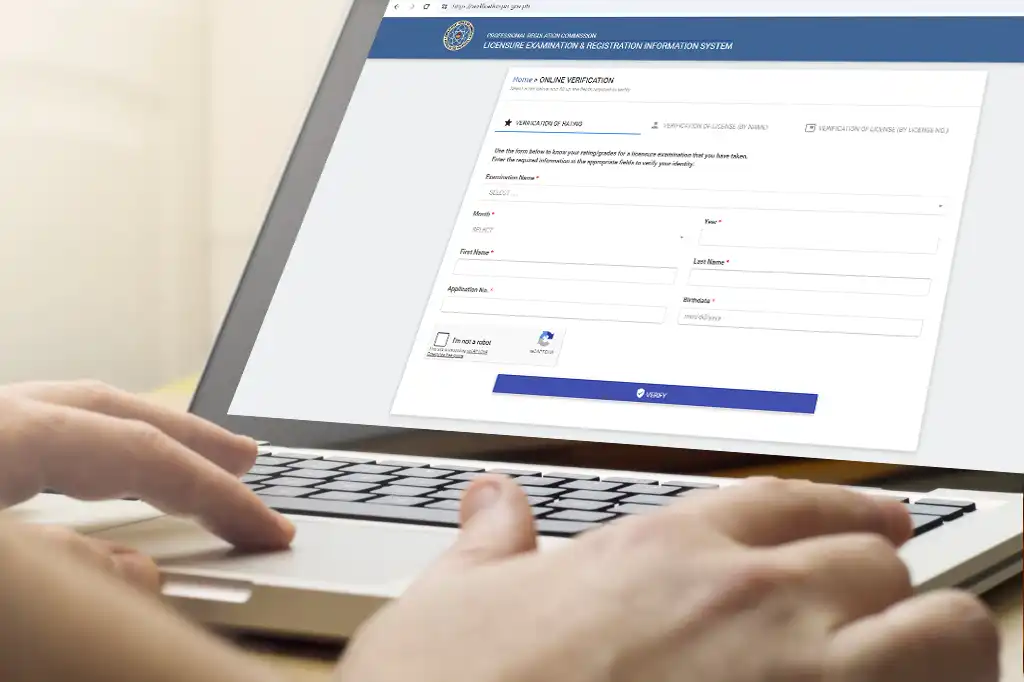
Don’t just look at the name and photograph. Check the validity period shown on the ID. PRC’s online verification system can also verify a professional by name or license number. It provides the profession, registration details, and PIC validity when available. This can also be authenticated through the PRC’s online verification system.
A good practice is to check both the ID and the official PRC record.
For project selling, check the broker’s DHSUD registration
PRC licensing and DHSUD registration serve different purposes. For brokers and salespersons involved in selling subdivision lots or condominium units, DHSUD has a registration process for real estate brokers, salespersons, and business firms engaged in project selling. DHSUD’s Citizen’s Charter specifically describes this as granting authority to dealers, brokers, and salespersons to engage in selling subdivision lots or condominium units.
So for a condominium or subdivision project, don’t stop at checking the person’s PRC license. Check if the broker or salesperson registered with DHSUD for project selling?
Check if the broker is authorized to market the property
Having a valid PRC license does not, by itself, establish that the person has authority to market a particular property.
For project selling, ask whether the broker or salesperson is accredited or authorized by the developer/dealer to market the project.
For example, if someone is offering you a condominium unit in a developer’s project, you can check with the developer if if the broker is accredited or authorized dealer to sell this project.
For general brokerage or resale properties, ask for evidence that the broker has the authority to market the property, such as an authorization or listing agreement from the owner or the appropriate representative.
This is an important distinction: A broker can be legitimately licensed but still need proper authority to market a specific property.
Check the property and the person marketing it
After verifying the professional and their authority to market the property, look at the transaction itself.
Check whether:
- The property information is consistent.
- The person can identify the owner, developer, or authorized seller.
- The asking price and payment terms are clearly explained.
- Relevant property documents can be provided when appropriate.
- Payment instructions are clear and made through proper channels.
- You are not being pressured to make a payment simply because a property is supposedly in high demand.
Professional credentials are only one part of due diligence. A valid license does not automatically guarantee that every property, listing, document, or transaction is legitimate.
Watch for red flags
- The person refuses to provide their PRC credentials.
- The PRC information doesn’t match the person presenting it.
- The PRC ID appears expired.
- They claim to be a broker but cannot provide verifiable credentials.
- They are selling a project but cannot establish their accreditation or authority to market it.
- They cannot explain who authorized them to market a resale property.
- They pressure you to transfer money immediately.
- Payment is requested through questionable or unrelated channels.
- Property details change depending on who you ask.
Verify Before You Proceed
Verifying a real estate broker does not have to be complicated. Start by checking the broker’s current PRC credentials, then consider any additional registration or accreditation required for the type of property being marketed. Most importantly, confirm that the broker is authorized to market the specific property or project.
These simple steps can help you better understand who you are dealing with and reduce the risk of proceeding with an unauthorized property seller. Professional credentials and proper authority are important parts of responsible property transactions, but they should always be considered alongside your own due diligence on the property and transaction.
At PhilBrokers, we believe property seekers deserve a better way to discover real estate and the professionals behind the listings. Our platform provides a dedicated place to explore properties marketed by PRC-licensed real estate brokers in the Philippines, along with their professional profiles and property portfolios.
Before you commit to a property, take the time to verify the professional behind it.